Burst Pipe Repair in Littleton, CO
Water spreading across a finished basement, a pipe split open in the cold, or a leak you can hear but can't find? Call — independent local plumbers serve Littleton and the southwest Denver metro. Describe what's happening, and they'll walk you through what happens next.
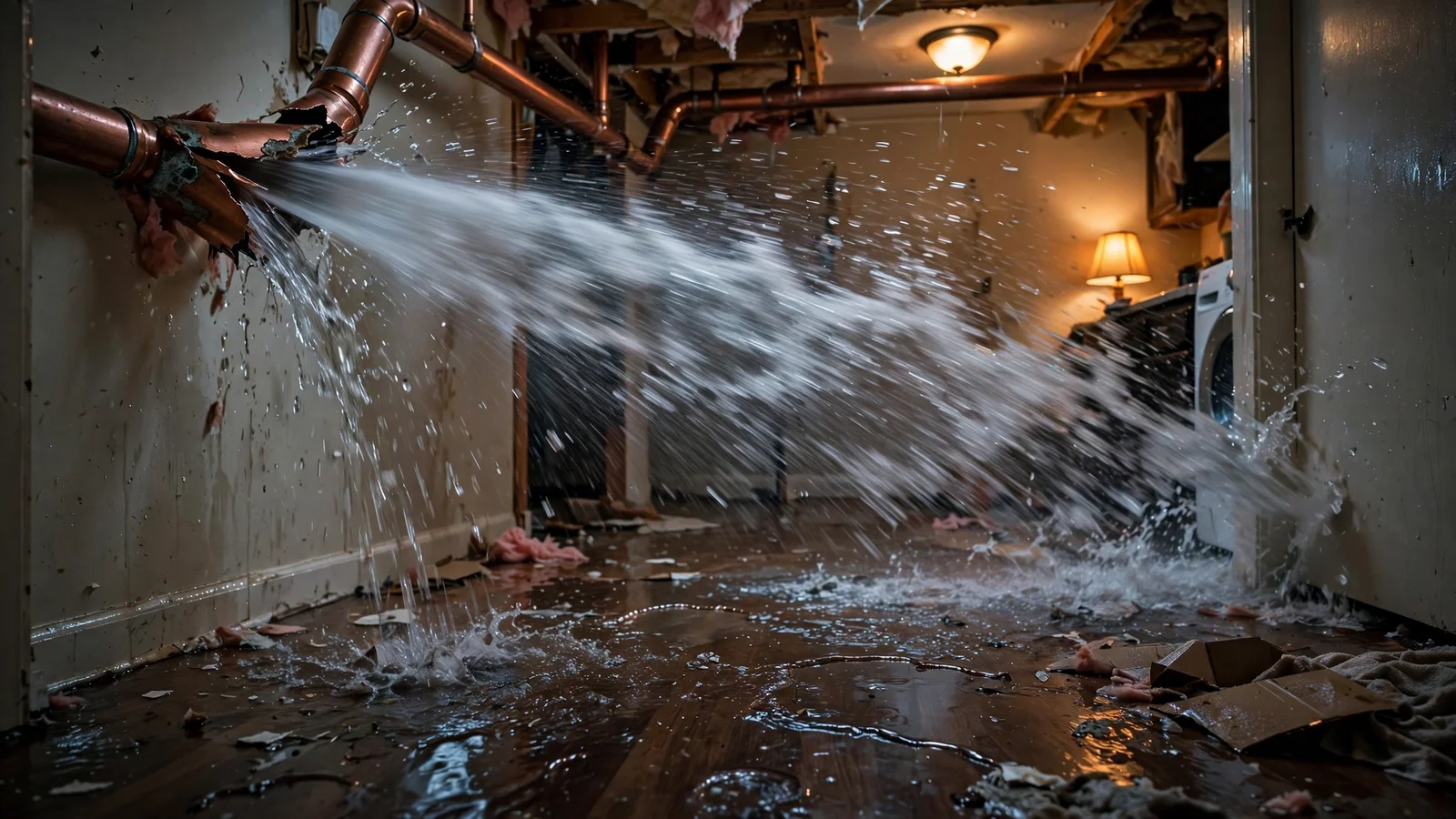
⚠ Pipe burst or leaking? Do this before you call:
- Shut off the water at your home's main valve — usually in the basement, crawlspace, or near the water heater. This one step limits the damage more than anything else.
- Turn off the water heater and, if water is near outlets or the electrical panel, switch off power to the affected area at the breaker box.
- Open the faucets on the lowest floor to drain remaining water from the lines, and open the cabinet doors under sinks to let warmer room air reach the pipes.
- Move valuables and electronics off the floor, mop up standing water if you can do it safely, and take a few photos for your records.
- Call — describe where the water is coming from, where it has spread, and whether the main valve is shut off.
Why homeowners call Littleton Burst Pipe Pros
Pipe Repair services in Littleton
Burst Pipe Repair
Burst pipe in Littleton, CO? Call (555) 234-5678 — independent local plumbers repair split and ruptured water lines.
Learn more →Frozen Pipe Repair
Frozen pipes in Littleton, CO? Call (555) 234-5678 — independent local plumbers thaw lines and repair freeze damage.
Learn more →Pipe Leak Repair
Leaking pipe in Littleton, CO? Call (555) 234-5678 — independent local plumbers find and repair hidden leaks.
Learn more →Water Line Repair
Water line problem in Littleton, CO? Call (555) 234-5678 — independent local plumbers repair and replace main lines.
Learn more →Built for Littleton homes
Littleton sits at the foothills of the Front Range, and the weather writes the plumbing script here: hard freezes that swing into mild afternoons, freeze-thaw cycles that work pipes season after season, and cold snaps that find every weak joint in the house. Pipes in exterior walls, crawlspaces, and unheated garages are the usual casualties — and at roughly 5,400 feet of elevation, overnight temperatures drop hard and stay low longer than most homeowners expect when they move here from lower ground.
The housing stock doubles the risk. Near downtown, Littleton's historic homes still run on older galvanized and copper lines that have been corroding from the inside for decades. In the newer subdivisions further south and west, the recurring story is the finished basement: a pipe lets go above a ceiling or behind a wall, and the water reaches drywall, carpet, and stored belongings before anyone upstairs notices. Add vacation and second homes that sit empty during ski season — a small leak can run for days — and local plumbers end up seeing the same few failure patterns on repeat. When you describe what's happening, they already know where to look.
How it works
Have this ready when you call — where the water is coming from, where it has spread, and whether you've shut off the main valve. It helps the provider arrive prepared, and it keeps your call focused.
Call the number above
Describe what's happening: water actively flowing or a stain that's growing, where in the house it is, and what you've shut off so far. They'll tell you what to do next and whether anything needs to happen before a plumber arrives.
An independent local pro takes it from there
Your provider finds the failed section, shuts the water down at the right point if it isn't already, and lays out the repair in writing before any work starts. No vague verbal summaries.
Pipe repaired, water damage contained
The failed section gets repaired or replaced, the line is pressure-tested before walls close back up, and your provider walks you through what got wet and what to watch as it dries. One call starts the whole process.
Need pipe repair in Littleton?
One call connects you with a local technician. No forms.
(555) 234-5678📞 Call Now
Pipe Repair questions, answered
What makes pipes burst in Littleton homes?
What should I do first when a pipe bursts?
How do local plumbers find a leak they can't see?
A pipe froze but hasn't burst — what now?
Which areas do local plumbers serve?
Water got into our finished basement — how bad is that?
Should I call my insurance company before or after the plumber?
How can I protect pipes in a home that sits empty part of the year?
Is a slow leak really worth a call, or can it wait?
How do I keep pipes from freezing next winter?
Serving Littleton and nearby towns
Independent pros connected through this site are based around Littleton and serve the surrounding southwest Denver metro towns — if you're nearby and dealing with a burst, frozen, or leaking pipe, call and they'll tell you straight whether they can reach you.